Goldfish
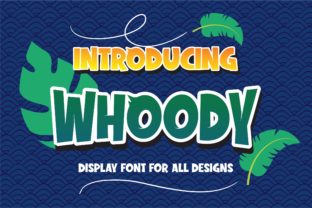
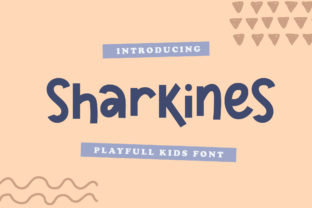
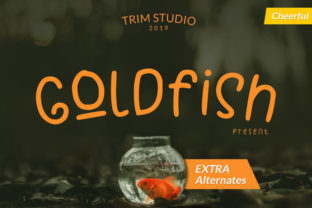
Goldfish isn’t a font you reach for when you need to set a legal disclaimer or draft an internal operations manual. It’s the kind of typeface that makes people pause, smile, and maybe even tilt their head—like spotting a brightly colored fish darting through clear water. Goldfish is a whimsical display font with joyful, bouncy letters that carry personality in every curve and loop. It’s designed not to blend in—but to spark delight, invite attention, and add warmth to moments that otherwise risk feeling generic.
Where Goldfish Fits in Real Life (Not Just Mockups)
Think about the last time you walked into a small-batch bakery and saw hand-painted chalkboard signs with wiggly, cheerful lettering. Or scrolled past a children’s book cover where the title seemed to giggle off the page. Or noticed the playful logo on a new plant-based snack brand—rounded, friendly, impossible to ignore. That’s Goldfish territory: high-visibility, emotionally resonant touchpoints where tone matters as much as text.
It shines brightest in contexts where authenticity, charm, and approachability are strategic advantages—not just aesthetic choices. For example:
- Cafés and bakeries use Goldfish for menu boards, seasonal specials, or loyalty program names—giving everyday items like “Honey Lavender Scone” or “Cold Brew Flight” a little extra sparkle.
- Independent retailers apply it to window decals, packaging stickers, or social media graphics to reinforce a handmade, human-centered vibe—especially when competing with big-box uniformity.
- Educational creators (think early literacy apps, Montessori-inspired printables, or after-school program flyers) lean into Goldfish’s gentle rhythm to signal safety, playfulness, and cognitive ease for young learners.
- Wellness brands focused on mindfulness, herbal teas, or gentle fitness often choose Goldfish for workshop titles (“Breathe & Bloom,” “Slow Morning Rituals”)—its soft weight and open counters feel calming rather than cutesy.
Who Benefits—and How It Shifts With Their Needs
A graphic designer building a rebrand for a neighborhood toy library might use Goldfish in a limited way—just the logo and event posters—to keep things cohesive but never overwhelming. Meanwhile, a solo illustrator launching a sticker shop on Etsy could build her entire visual language around Goldfish: product thumbnails, banner headers, even the handwritten-style “Thank You” note tucked into orders. The font adapts because its strength lies in intentionality—not volume.
For non-designers—say, a yoga instructor creating Instagram Stories or a freelance writer designing a workshop PDF—the appeal is accessibility. Goldfish doesn’t require advanced typography knowledge to use well. Its built-in rhythm and generous spacing mean even basic layout tools (Canva, Google Slides, Keynote) can produce polished results. You don’t need kerning expertise—you just need to know when a moment calls for lightness instead of authority.
When to Reach for Goldfish (and When to Pause)
Goldfish works best when your goal is emotional resonance over neutral clarity. If you’re designing a hospital’s patient intake form or drafting terms of service for a fintech app, this isn’t the tool. But if you’re announcing a pop-up art class for teens, naming a new line of organic baby clothes, or designing invitations for a backyard birthday party—yes, absolutely.
One practical consideration: Goldfish is a display font, which means it’s optimized for larger sizes—typically 36pt and up for print, or 48px+ on screen. At smaller sizes, especially in body copy or dense UI elements, its details soften and legibility dips. That’s not a flaw—it’s by design. Think of it like choosing the right brush: watercolor for a greeting card illustration, not for outlining blueprints.
Another nuance: pairing. Goldfish plays beautifully with clean, unadorned sans-serifs (think Inter, Lato, or even system fonts like San Francisco or Segoe UI). The contrast gives Goldfish room to breathe while grounding the composition. Avoid stacking it with other decorative or script fonts—that tends to dilute its impact and create visual noise.
Industries Where Goldfish Adds Quiet Confidence
In creative fields where differentiation is hard-won, Goldfish quietly shifts perception. A boutique floral studio using it for “Seasonal Arrangement” signage signals care and craft—not just commerce. A sustainable skincare startup applying it to ingredient callouts (“Cold-Pressed Jojoba,” “Wild-Harvested Chamomile”) implies transparency and tenderness, not clinical detachment.
Even in unexpected spaces, it finds footing. Some indie podcasters use Goldfish for episode title cards—adding visual warmth to audio-first content. Local libraries have adopted it for summer reading challenge banners, helping kids associate learning with joy rather than obligation. And wedding stationers sometimes reserve it for secondary elements (menu headers, “RSVP by” lines), letting the elegance of serif invitations shine while slipping in a wink of personality.
What Users Notice After Using Goldfish
People don’t usually say, “I love the x-height.” They say, “That sign made me stop,” or “My clients told me the flyer felt *so* them,” or “Our engagement rate went up when we switched the Instagram highlight covers.” Those outcomes aren’t accidental—they’re tied to how Goldfish shapes first impressions.
Because it’s inherently expressive, Goldfish helps reduce the gap between intention and interpretation. If your brand voice is warm, curious, and unhurried, Goldfish reflects that without needing extra copy to explain it. It does some of the emotional labor for you—freeing you to focus on substance, storytelling, or service delivery.
A Few Ground Rules Before You Dive In
Start small. Try Goldfish in one high-impact place first—a logo lockup, a hero section headline, or a social media story frame. See how it feels in context before expanding.
Respect hierarchy. Let Goldfish lead, then step back. Use it for what needs to be felt—not everything that needs to be read.
Test across devices. While it renders beautifully on modern screens, always preview how it appears on older tablets or lower-resolution displays—especially if your audience skews toward non-tech-native adults.
And remember: whimsy isn’t synonymous with unserious. Goldfish carries sincerity. It’s joyful, yes—but also intentional, crafted, and confident in its purpose. That’s why it endures beyond trends. It doesn’t shout. It leans in, makes eye contact, and says, “Let’s make this lovely.”