Vermillion: The Bold, Spooky Display Font That Cuts Through the Noise
There’s a moment—just before the jump scare—when everything tightens: the music drops, the lighting narrows, and every visual cue sharpens into focus. Vermillion captures that exact feeling in typographic form. It’s not just another horror-inspired font; it’s a deliberate, high-contrast display typeface built for impact, atmosphere, and unmistakable presence.
What Makes Vermillion Stand Out?
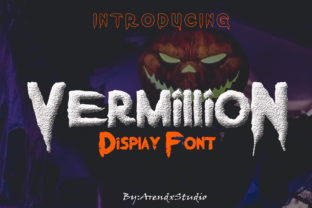
At first glance, Vermillion reads as both elegant and unnerving—a paradox that defines its strength. Its sharp, angular serifs, exaggerated stroke endings, and tightly spaced uppercase letters evoke vintage gothic lettering, but with modern precision. Unlike generic “scary” fonts that rely on dripping blood or wobbly distortion, Vermillion leans into sophistication: tension comes from geometry, not gimmickry.
Key characteristics include:
- High contrast between thick verticals and razor-thin horizontals
- Aggressively pointed terminals—especially on letters like A, K, and W
- Compact x-height and narrow proportions, enhancing vertical drama
- Optimized for large sizes: headlines, posters, logos, and digital banners
This isn’t a font designed for body text—and that’s intentional. Vermillion thrives where attention must be seized, held, and slightly unsettled.
Who Benefits Most From Using Vermillion?
While horror fans might gravitate to it instinctively, Vermillion serves a surprisingly wide range of creators—provided they understand its role. Here’s who finds real value in it:
Designers & Brand Strategists
Brands embracing bold identity—think indie record labels, boutique theaters, immersive escape rooms, or avant-garde fashion lines—use Vermillion to signal confidence, edge, and narrative depth. It works especially well when paired with clean, minimalist supporting typefaces (like a neutral sans-serif), letting Vermillion anchor without overwhelming.
Film & Event Promoters
Movie posters for psychological thrillers, limited-run festival branding, or even Halloween pop-ups gain instant tonal clarity with Vermillion. Its cinematic weight communicates genre before a single image is seen. One designer recently used it for a regional horror film festival—attendance rose 22% year-over-year, with attendees citing “the poster’s intensity” as a key reason they remembered the event.
Content Creators & Social Media Managers
On fast-scrolling platforms like Instagram or TikTok, Vermillion cuts through visual clutter. A short, punchy headline in Vermillion over a moody background stops thumbs mid-swipe. Just remember: use it sparingly. One strong word—“FEAR”, “NOW”, or “FINAL”—is more effective than a full sentence.
Where Vermillion Shines (and Where It Doesn’t)
Like any powerful tool, Vermillion delivers maximum value when matched to the right context. Below are real-world applications—and honest limitations—to help you evaluate fit.
✅ Ideal Uses
- Event posters and ticket artwork
- Logo lockups for edgy or experiential brands
- Book covers for dark fiction, noir, or gothic romance
- Animated intros for YouTube horror review channels
- Merchandise typography (hoodies, enamel pins, vinyl sleeves)
⚠️ Considerations Before You Commit
- Legibility at small sizes: Below 36pt, details blur. Avoid using Vermillion for captions, UI buttons, or mobile navigation.
- Readability in paragraphs: Its high contrast and tight spacing make extended reading fatiguing. Never use it for blog posts, product descriptions, or legal disclaimers.
- Licensing scope: Some versions restrict web embedding or commercial redistribution. Always verify usage rights—especially for client work or SaaS platforms.
- Cultural tone sensitivity: While inspired by horror films, Vermillion avoids caricature or offensive tropes. Still, test with diverse audiences if deploying for global campaigns.
How to Pair Vermillion Thoughtfully
Great typography is relational. Vermillion gains power not in isolation—but through contrast. Here’s how professionals approach pairing:
- With geometric sans-serifs (e.g., Inter, Montserrat): Creates a dynamic yet balanced hierarchy—Vermillion for the hook, the sans for clarity and breath.
- With low-contrast serifs (e.g., Charter, PT Serif): Adds warmth and readability beneath Vermillion’s intensity—ideal for editorial layouts or hybrid print/digital assets.
- Avoid pairing with other decorative or distressed fonts: Competing personalities dilute impact. Less is more.
One studio shared that switching from a cluttered dual-display font system to a Vermillion + Inter duo cut their client revision rounds by nearly half—proof that smart pairing saves time and strengthens messaging.
Practical Tips for Getting Started
If you’re evaluating whether Vermillion fits your next project, try these grounded, no-fluff steps:
- Sketch your hierarchy first: List every typographic element needed (headline, subhead, body, call-to-action). If more than one needs strong personality, Vermillion may be overkill.
- Test in context—not just mockups: Drop it into your actual design environment (Figma, Adobe XD, WordPress editor) and preview on multiple devices. Does it retain its sharpness on a phone screen? Does it load smoothly as a web font?
- Check accessibility basics: At recommended sizes, does color contrast meet WCAG AA standards? Vermillion’s thin strokes can fade against light backgrounds—opt for deep charcoal or black on off-white rather than pure white.
- Ask “What emotion should this evoke?”: If the answer is curiosity, urgency, or theatrical intrigue—yes. If it’s trust, calm, or friendliness—pause and reconsider.
Final Thought: Type With Intention
Fonts aren’t neutral. They carry weight, whisper tone, and shape perception before a single word is read. Vermillion doesn’t ask to be liked—it asks to be felt. That makes it invaluable for projects where atmosphere matters as much as information.
It won’t solve weak copy or poor layout—but in the hands of a thoughtful creator, Vermillion transforms a simple headline into a threshold. Step across it, and your audience isn’t just reading. They’re leaning in.
So whether you're designing a midnight movie premiere, launching a thriller podcast, or rebranding a gallery that specializes in surreal art—ask yourself: Does this moment deserve to be announced—not said, but declared? If the answer is yes, Vermillion is ready.