Hello Wein: A Fun, Spooky Display Font That Sparks Creativity
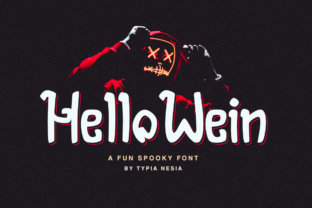
Fonts do more than just display text—they set the mood, shape perception, and guide emotional response. Among the ever-growing library of digital typefaces, Hello Wein stands out not for its neutrality or versatility, but for its bold, unapologetic personality. This isn’t a font you’d use for a corporate annual report or a medical consent form. Instead, Hello Wein is a playful, slightly eerie, delightfully off-kilter display font designed to grab attention, stir curiosity, and add a dash of theatrical charm to any creative project.
What Is Hello Wein—and Why Does It Feel So Uniquely “Weird”?
Created by independent type designer Hello Wein (a pseudonym tied to its whimsical branding), this font belongs to the display typeface category—meaning it’s optimized for headlines, posters, logos, social media graphics, and other large-scale, short-form applications. Unlike body fonts like Roboto or Georgia—which prioritize legibility at small sizes and extended reading—Hello Wein thrives where readability takes a back seat to expression.
Its “spooky” vibe comes from intentional design quirks: uneven stroke weights, exaggerated terminals, slightly warped letterforms, and subtle asymmetry that evokes hand-drawn Halloween signage or vintage carnival posters. The lowercase “a” has a tilted bowl; the “g” features a looping, almost haunted tail; and the “w” looks like it’s winking sideways. These aren’t bugs—they’re deliberate artistic choices meant to spark delight, surprise, or even gentle unease.
More Than Just “Cute Scary”: The Psychology Behind Its Appeal
Why does a font like Hello Wein resonate so strongly? It taps into what psychologists call benign violation theory: something feels funny or intriguing when it’s *almost* wrong—but safely so. A crooked “e”, a lopsided “o”, or a grin-like “s” violates our expectations of typographic consistency—but because it’s clearly intentional and stylized, it feels charming rather than confusing.
This makes Hello Wein especially effective in contexts where authenticity, personality, and memorability matter more than formal polish—think indie band merch, podcast cover art, boutique bakery menus, or TikTok thumbnails designed to stop the scroll.
Where Does Hello Wein Fit in Today’s Creative Landscape?
In an era dominated by algorithm-driven minimalism—where sleek sans-serifs and muted palettes reign supreme—Hello Wein offers a refreshing counterpoint. It’s part of a broader resurgence in expressive typography, fueled by platforms like Instagram, Canva, and Notion that empower non-designers to experiment with visual storytelling.
- Small businesses use Hello Wein for seasonal promotions—like a “Spooktober Sale” banner or a “Witchy Wednesday” email header—to stand out in crowded inboxes.
- Educators incorporate it into classroom slides or printable worksheets for themed units (e.g., Gothic literature, folklore studies, or creative writing prompts) to boost student engagement.
- Content creators layer Hello Wein over video thumbnails or YouTube end screens to signal tone before a single word is spoken—hinting at irony, nostalgia, or playful horror without needing exposition.
- Game developers and indie studios adopt it for UI elements in narrative-driven games—especially those with magical realism, surrealism, or dark comedy aesthetics.
Real-World Examples You Can Learn From
Consider how the Brooklyn-based bookstore Books Are Magic used Hello Wein on a limited-edition “Midnight Editions” tote bag. Paired with deep indigo fabric and silver foil printing, the font’s jagged curves felt both literary and mischievous—echoing the thrill of discovering a hidden chapter in your favorite novel.
Or take the viral podcast The Haunted Library, which overlays Hello Wein on its trailer visuals. Its irregular rhythm mirrors the unpredictable pacing of ghost stories—creating subconscious alignment between sound, image, and typography.
These aren’t gimmicks. They’re strategic uses of type as tone-setting tool—a concept designers have long understood, but one now accessible to anyone with basic design software and an eye for mood.
Common Misconceptions About Display Fonts Like Hello Wein
Before diving in, it’s helpful to clear up a few frequent assumptions:
- “If it’s fun, it must be unprofessional.” Not true. Professionalism isn’t defined by uniformity—it’s defined by intentionality. Using Hello Wein on a law firm’s homepage would likely misfire, but using it for their annual “Pro Bono Spooktacular” fundraiser? Absolutely on-brand—and memorable.
- “I need design training to use it well.” While typography principles help, modern tools (Canva, Figma, Adobe Express) include smart pairing suggestions and real-time previews. Start simple: pair Hello Wein with a clean, neutral sans-serif (like Inter or Open Sans) for contrast, and limit it to one headline per layout.
- “It’s only for Halloween.” Though its spooky roots are undeniable, Hello Wein’s kooky energy translates across themes—quirky science explainers, absurdist comedy branding, retro-futurist album art, or even joyful neurodiversity advocacy materials seeking to celebrate cognitive uniqueness.
How to Use Hello Wein Responsibly (and Effectively)
Like any expressive tool, Hello Wein shines brightest when used with purpose—not just because it’s “cool.” Here’s a practical checklist:
- Ask “why this font?” before applying it. Does it reinforce your message—or distract from it?
- Respect hierarchy. Reserve Hello Wein for primary headlines only. Avoid body text, captions, or data labels—it’s not built for sustained reading.
- Test accessibility. While decorative, ensure sufficient color contrast (at least 4.5:1 against background) and provide alt text if used in digital images.
- License it properly. Hello Wein is free for personal use via Fontsquirrel, but commercial projects require a license. Always verify usage rights—especially for client work or merchandise sales.
Beyond the Aesthetic: What Hello Wein Teaches Us About Communication
At its core, Hello Wein reminds us that communication isn’t just about transmitting information—it’s about sharing feeling, building connection, and inviting interpretation. In education, it encourages students to see typography as cultural artifact, not just technical tool. In business, it challenges brands to ask: What emotion do we want people to feel before they even read our first sentence?
And for creators just starting out, it proves that personality doesn’t require perfection. Sometimes, the most compelling voices are the ones that lean into their quirks—with confidence, clarity, and a little bit of spooky joy.
Final Thought: Let Your Typography Tell a Story
Hello Wein won’t replace your go-to system font—and it shouldn’t. But it might just be the perfect accent for the next time you want your audience to pause, smile, raise an eyebrow, or lean in closer. Whether you're designing a zine, launching a Patreon, illustrating a children’s book about friendly ghosts, or simply spicing up your weekly newsletter, remember: fonts are storytellers too. And sometimes, the best stories begin with a wink, a whisper, and a wonderfully weird “W”.
So go ahead—download Hello Wein, open your design app, and try it on something small. Then ask yourself: Does this feel like me? Does it feel like us? If the answer is yes—even with a shiver and a grin—you’ve found more than a font. You’ve found a voice.