Gluck Stripes: Elegant Stripes, Instant Impact
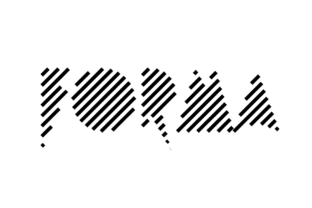
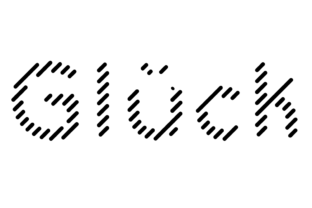
Gluck Stripes isn’t just another display font—it’s a quiet statement with rhythm and restraint. At first glance, you notice the clean, parallel stripes running through each letterform: subtle but unmistakable, like fine pinstripes on a tailored blazer. It’s not loud or ornate, yet it carries presence. The characters are geometrically grounded—balanced proportions, open counters, and consistent stroke weight—but softened by gentle curves and thoughtful spacing. There’s warmth in its precision. It feels both contemporary and quietly timeless, like a well-designed book cover from the 1960s that still looks fresh on an Instagram story today.
Where Gluck Stripes Earns Its Place
This is a premium font built for moments that need distinction—not every paragraph, but the right headline, the decisive tagline, the elegant product name on a ceramic mug or a boutique storefront. It shines brightest in contexts where clarity meets character: editorial mastheads, luxury packaging, minimalist brand logos, social media banners for lifestyle brands, and art-directed web headers. Think of a small-batch coffee roaster using Gluck Stripes for their “Single Origin” label—clean enough to feel trustworthy, distinctive enough to stand out on a crowded shelf. Or a wellness blogger choosing it for their newsletter banner: approachable but refined, never clinical.
It’s less suited for body text, long-form articles, or interfaces requiring rapid scanning—Gluck Stripes is a display font, not a workhorse sans serif font or a functional serif font. That’s intentional. Its strength lies in contrast: pairing it with a neutral, highly legible companion (like a warm humanist sans or a crisp low-contrast serif) creates visual hierarchy without competing for attention. You’re not reading *with* Gluck Stripes—you’re pausing *for* it.
How It Shapes Perception—Without Saying a Word
Typography is silent branding. Gluck Stripes subtly signals intentionality. Its stripe motif suggests structure, craft, and attention to detail—qualities that transfer directly to how audiences perceive your brand identity. A handmade candle company using Gluck Stripes on their box doesn’t need to say “artisanal”; the font implies care in construction. A design studio using it in their portfolio header communicates confidence without flashiness. That consistency—applying Gluck Stripes only where it adds meaning—reinforces professionalism and strengthens recognition across touchpoints.
Readability here isn’t about speed—it’s about resonance. In short bursts, Gluck Stripes invites slower looking. Its even rhythm supports scannability at a glance (great for mobile social graphics), while its restrained personality avoids overwhelming viewers. Unlike some creative font choices that sacrifice legibility for novelty, Gluck Stripes maintains clarity even at smaller display sizes—say, 24–36px on screen or 14–18pt in print—so long as line length and contrast are considered.
Testing Fit: Practical Questions Before You Commit
Before adding Gluck Stripes to your design assets, ask yourself three things:
- Is this moment meant to be seen, not skimmed? If you’re designing a call-to-action button or a dense product spec sheet, reach for something more functional. But if it’s a hero section headline, a logo lockup, or a limited-edition drop title—yes, this is where Gluck Stripes earns its keep.
- Does your brand voice align with its quiet confidence? It won’t suit a playful children’s brand or a high-energy fitness app. But for makers, curators, educators, publishers, or service-based professionals who value substance over spectacle, it fits like a well-cut coat.
- Have you tested it alongside your existing type system? Try setting your current body font (e.g., Inter, Lora, or even Georgia) next to Gluck Stripes at real sizes. Does the contrast feel purposeful—or jarring? Does the stripe motif echo other elements in your visual language (like a subtle border, a textile pattern, or even architectural lines in your photography)?
Pairing, Styles, and Licensing Reality Checks
Gluck Stripes typically ships as a single-weight display font—often with uppercase-only variants or stylistic alternates (like striped vs. unstriped glyphs). That’s not a limitation; it’s focus. Don’t expect bold or italic versions. Instead, lean into contrast: pair it with a versatile sans serif font for subheads and captions, or a soft serif font for longer descriptive text. Avoid other decorative fonts nearby—its elegance comes from simplicity, not competition.
For web use, confirm whether the license covers @font-face embedding (most commercial fonts do, but always verify). For print projects—especially packaging or stationery—check whether the format includes OpenType features useful for fine-tuning (like ligatures or case-sensitive forms). And always test rendering across devices: Gluck Stripes holds up well on modern screens, but very light backgrounds with thin text may need slight tracking adjustments or a subtle text shadow for legibility.
A Font That Works With You—Not For You
What makes Gluck Stripes enduring isn’t novelty—it’s reliability dressed in quiet style. It doesn’t shout trends. It doesn’t chase algorithms. It gives designers and small business owners a tool that says, “This matters,” without needing extra explanation. Whether you’re typesetting a poetry chapbook, designing a wedding invitation suite, or refreshing your Shopify store’s banner, Gluck Stripes offers polish without pretense.
You’ll know it’s working when people don’t comment on the font—they comment on how the message lands. Calm. Clear. Considered. That’s the mark of strong modern typography: it serves the idea, not the ego. And in a world full of visual noise, Gluck Stripes reminds us that sometimes, the most powerful statements are drawn in clean, confident stripes.